



About
Our Philosophy of
Holistic Education
Uppingham provides a well-rounded education – integrating academic study, music, sports, artistic creativity, performing arts, and wider life-enhancing co-curricular experiences.
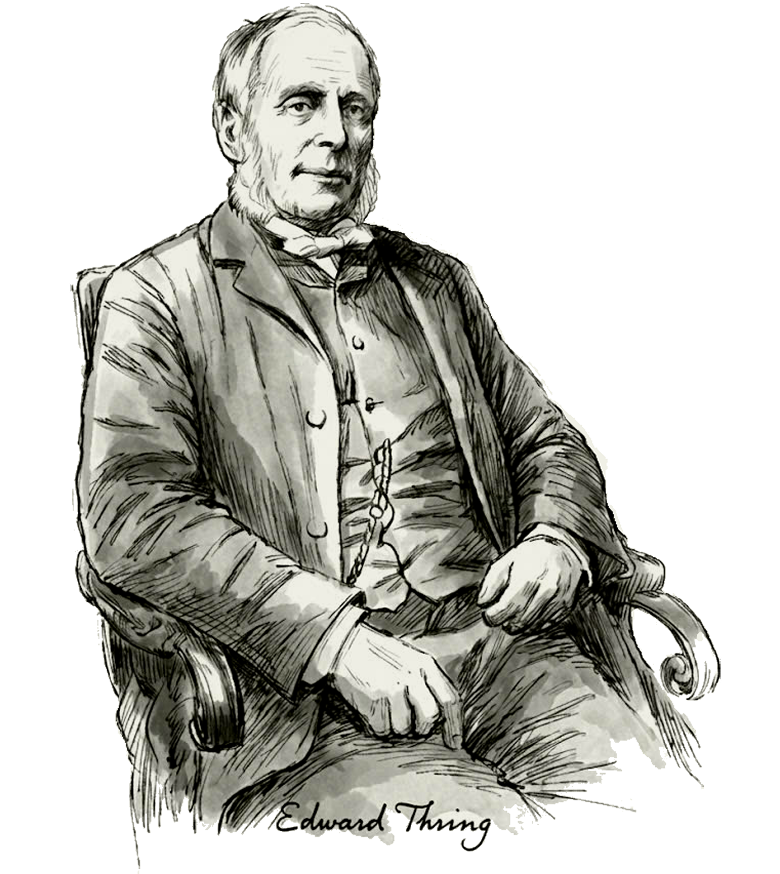
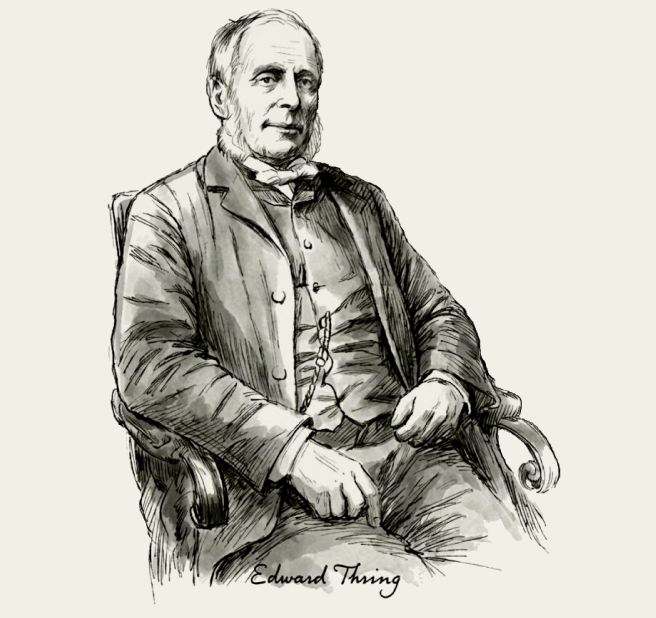
Edward Thring: The Architect of Uppingham's Legacy
Our educational philosophy is rooted in the vision of Edward Thring, the distinguished educator who served as Headmaster of Uppingham School from 1853 to 1887. He recognised the unique value of every individual and believed that every pupil deserved the opportunity to flourish in their own way. Uppingham was founded in England in 1584, but it was Thring—often celebrated as the School's "second founder"—who transformed its course. Appointed Headmaster at the age of 31, he dedicated his life to developing Uppingham from a small local grammar school into a nationally renowned boarding school, distinguished by its pioneering philosophy of holistic education.
A Pioneering Vision That Transformed Education
As a pioneering educator, Thring believed that education should touch every aspect of life, encompassing the holistic development of moral, spiritual, physical and intellectual well-being.
- He broadened the curriculum beyond the traditional academic subjects of classics and mathematics and introduced new subjects such as languages, science, history, and music.
- His belief that education should develop the whole person led to the creation of the first dedicated school gymnasium in England (1859) and provided a swimming pool – marking the introduction of athletics as a sport.
- In 1865, Thring also opened Uppingham’s first Music School and appointed a Director of Music – the first appointment of such role in a British school, setting the standards for creative arts.
- Along with his brother, he also established The Rules of Football, which were later published in 1862 under the title “The Simplest Game”, forming the foundation of modern football rules that we all know of today.
- In 1869, he also founded the Heads’ Conference (HMC) when he convened 60 headmasters at his home to discuss educational challenges. This event created what is now The Heads’ Conference (HMC) – an organisation that greatly influenced English public school education.
- His book, The Theory and Practice of Teaching (1883), remains an enduring source of guidance and inspiration for generations of educators.
“Education is about finding what each child can do best”
Dr. Edward Thring